
Landing an interview is already a win. But once you’re in that seat—virtual or in-person—every little detail matters more than you think. It’s not just about your resume or polished answers. It’s about how you show up, what you signal without realizing, and how you make people feel.
Let’s break down the 10 sneaky mistakes that silently sabotage interviews—and how you can steer clear of them.
Video: Top Interview Tips: Common Questions, Nonverbal Communication & More
Your online presence sends the wrong message
Before they even call you in, hiring managers are Googling your name. If your social media is wide open and full of questionable content, you’ve already made an impression—and probably not the one you wanted.
Clean up your digital footprint. Lock down your privacy settings. Update your LinkedIn with a professional photo and a compelling summary. Think of it this way: your online image is your resume’s backup singer. Make sure it’s singing the same tune.
First impressions happen fast—and they stick
The moment you enter the room or pop onto the Zoom call, the clock starts. Slouched shoulders? Limp greeting? No eye contact? You’re already fighting an uphill battle.
Stand tall, smile, and offer a confident hello. If it’s virtual, check your lighting and background. Looking sharp and sounding calm in the first 30 seconds can set the tone for the entire conversation.
Your energy is off—and they feel it
If you come across tired, distracted, or just “meh,” it doesn’t matter how great your answers are. Enthusiasm counts.
Get good rest the night before. Eat something light. And if nerves hit, try grounding techniques—deep breaths, a walk around the block, or even just repeating a calming phrase to yourself. Bring energy that says, “I want to be here.”

You ramble—or barely speak
There’s a sweet spot between over-explaining and offering one-word answers. Rambling sounds unfocused. Being too brief feels disinterested.
Use the STAR method: Situation, Task, Action, Result. Practice answering common questions out loud. Record yourself. You’ll start to hear where to tighten things up—and where to expand.
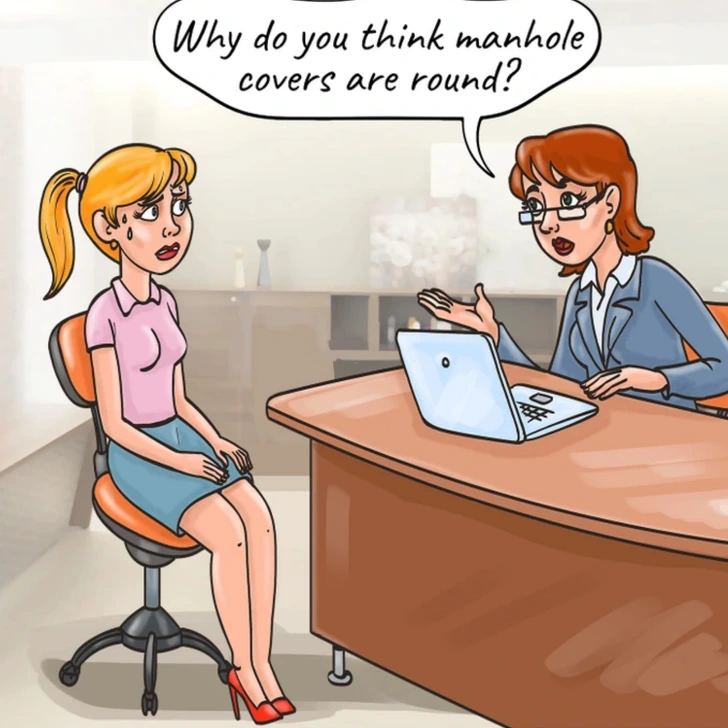
You freeze on curveball questions
“What’s your biggest weakness?” “How would you explain your job to a 10-year-old?” These aren’t trick questions—they’re personality tests.
Video:
10 Things You Should Avoid Revealing In A Job Interview – Interview Tips
If one stumps you, it’s okay to pause. Say, “That’s a great question—let me think about it for a second.” Interviewers appreciate composure under pressure. It shows maturity and poise.
Your body language betrays you
You may not notice, but they do. Tapping your fingers, crossing your arms, looking away—these small cues send big signals.
Sit straight. Keep your hands relaxed. Mirror the interviewer’s posture subtly. And keep that eye contact—it says you’re confident and engaged.
You’re not really listening
Interviewers can tell when you’re just waiting for your turn to talk. If your answers don’t reflect what they just said, it feels disconnected.

Practice active listening. Nod, smile, and ask thoughtful follow-ups. Even jotting a note or two shows you’re tuned in. The best conversations feel like collaborations, not monologues.
Your word choice weakens your answers
Saying “I think I could” or “I’ve never done that but maybe…” makes you sound unsure. Even if you’re new to something, phrase it in terms of growth.
Try: “That’s an area I’m looking to grow in—I’ve been studying it recently and am excited to build hands-on experience.” Confidence isn’t arrogance. It’s assurance backed by effort.
You don’t follow up
A well-timed thank-you email can be the tie-breaker between two strong candidates. Skipping it? That’s a miss.

Send a brief, thoughtful message within 24 hours. Mention something specific from the interview. Reaffirm your interest. It shows you’re respectful, enthusiastic, and organized.
You’re trying too hard to be perfect
Nobody’s flawless. Coming off too rehearsed or robotic doesn’t help. It makes you forgettable.
Be real. Share what excites you, what you’re working on improving, and how you handle challenges. Employers want someone human—not a walking script.
Interviews are often won or lost in the margins. It’s not just about qualifications—it’s about connection, presence, and trust.
Avoiding these small but costly mistakes gives you a real edge. So next time you prep, go beyond the basics. Think about how you show up, not just what you say.
Because sometimes, what speaks loudest is what you don’t say at all.