A Roadside Stop That Changed More Than a Meal
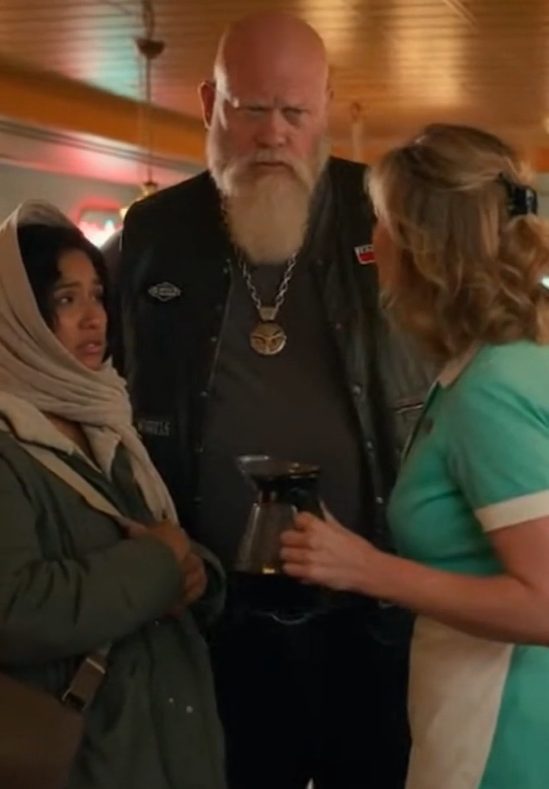
Long rides have a way of dulling a man’s senses — the hum of the engine, the stretch of empty highway, the steady rhythm of the miles. By the time the biker pulled into the small roadside diner, he was tired, hungry, and looking for nothing more than a hot cup of coffee and a moment of rest. It was the kind of classic American stop: flickering neon signs, faded red stools, and the smell of brewed coffee drifting through the doorway. A place where no one usually cared who you were or where you came from.
At least, that was how it was supposed to be.
The moment he stepped inside, he felt something in the air — a tension sharp enough to cut through the diner’s usual warmth.
A Hurtful Refusal That Should Never Happen
Near the far end of the counter stood a man in his mid-thirties with tired eyes and a weathered backpack. His accent was soft, his expression polite, and everything about him suggested a long journey. He held a few crumpled bills in his hand as he spoke to the waitress.
“Just… just a sandwich, please.”
The waitress froze. Her face tightened. Before she could answer, the manager stepped in, crossing his arms as if preparing for a fight.
“We’re not taking orders right now.”
The immigrant blinked in confusion. “But the sign says you’re open.”
“We’re open,” the manager repeated sharply, “just not for people who look like trouble.”
Every conversation in the diner went silent at once. A few customers shifted in their seats. Some looked away, unwilling to get involved. Others watched, uncertain. And the man at the counter? He lowered the bills slowly, shame creeping across his face like a shadow he didn’t deserve.
“I didn’t mean to—”
“You heard me,” the manager snapped. “Not today.”
The biker felt something old and familiar rise inside him — not immediate anger, but something deeper. A sense of injustice. A recognition of that look on the immigrant’s face, the look of someone told they don’t belong.
And that was enough.
A Voice That Cut Through Silence
He stepped forward, boots striking the linoleum floor with a firmness that made several heads turn. He moved to stand beside the immigrant, placing one gloved hand on the counter. The sound echoed through the room like a warning.
Video : Biker Saves Girl from Creepy Man Chasing Her
He didn’t raise his voice. He didn’t need to.
“I’m paying,” he said clearly, his eyes fixed on the manager. “Serve us.”
The manager’s mouth opened, but nothing came out. The biker leaned forward ever so slightly — not threatening, just unmistakably serious.
“No judgment. No excuses. Make the sandwich.”
You could almost hear the diner breathe again.
The waitress, flustered but relieved, reached for an order slip. The manager huffed, but didn’t argue. Not with a man who stood with that kind of steady resolve.
The immigrant looked up, eyes softening into a mixture of gratitude and disbelief.
“You didn’t have to—”
“Yeah,” the biker said quietly, “I did.”
Two Strangers, One Shared Table
They sat together at the counter — two men from different backgrounds, different histories, different lives, sharing the same moment. The biker ordered coffee and fries. The immigrant’s sandwich arrived warm and layered with care, as if guilt had softened the hands that prepared it.
For a long moment, neither spoke. The tension in the room had faded, replaced with a quiet understanding.
Then the immigrant said softly, “People don’t usually stand up for me.”
The biker shrugged, sipping his coffee. “They should.”
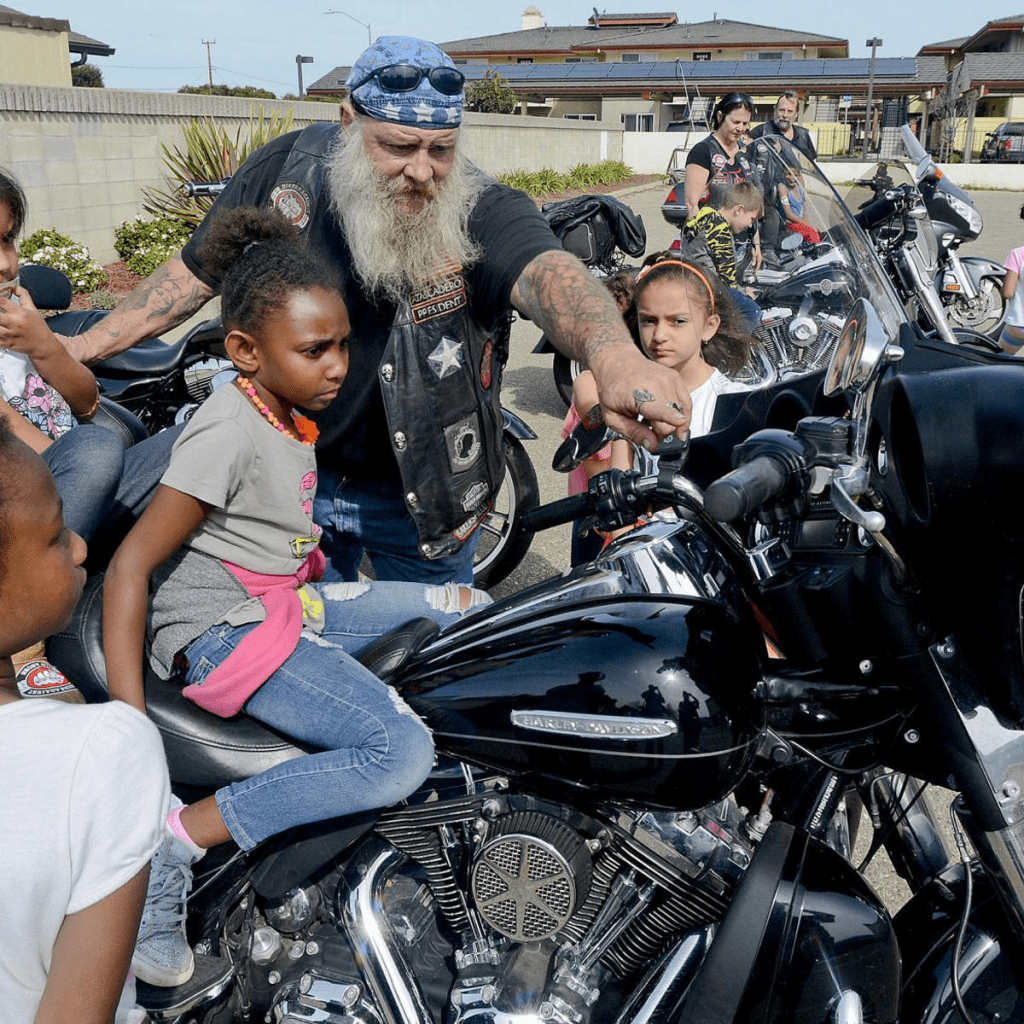
He paused, then added, “You belong here as much as anyone. Don’t let one fool convince you otherwise.”
The immigrant nodded, the weight lifting from his shoulders.
“Thank you,” he whispered.
The biker shook his head. “Just eat, friend. You’re safe here.”
A Small Act That Meant Everything
When the plates were empty and the cups drained, the biker paid the bill — every cent — and left a tip large enough to bring color back to the waitress’s face. He wasn’t trying to make a statement. He wasn’t trying to be a hero. He was simply doing what should have been done from the start.
Before leaving, he looked at the manager one last time. Not angry. Just disappointed. And somehow, that was worse than any threat could have been.
The bell over the door jingled as he stepped outside. The immigrant followed, standing a little taller now, his steps lighter.
“You’re a good man,” he said.
The biker smirked, the kind of half-smile that said he’d heard the words before but never claimed them.
“Nah. Just someone who knows wrong when he sees it.”
He climbed onto his motorcycle, the engine roaring to life like distant thunder.
“Take care of yourself,” he called.
“You too,” the immigrant replied.
And as the biker rode off into the afternoon sun, the immigrant watched him disappear — a stranger who, for a few moments, restored something many people lose along the way: the belief that someone, somewhere, will stand up when it matters.
Video : The motorcycle gang that protects children of abuse
Conclusion
This story reminds us that kindness doesn’t always come in grand gestures or dramatic declarations. Sometimes it arrives in the form of a quiet man with a leather vest, a firm voice, and one simple sentence: “I’m paying. Serve us.” In a world that often divides, a single act of courage can bring humanity back into focus. By recognizing unfairness and choosing to do something about it, the biker didn’t just buy a meal — he restored dignity, challenged prejudice, and offered a moment of belonging. And sometimes, that is more heroic than anything else.