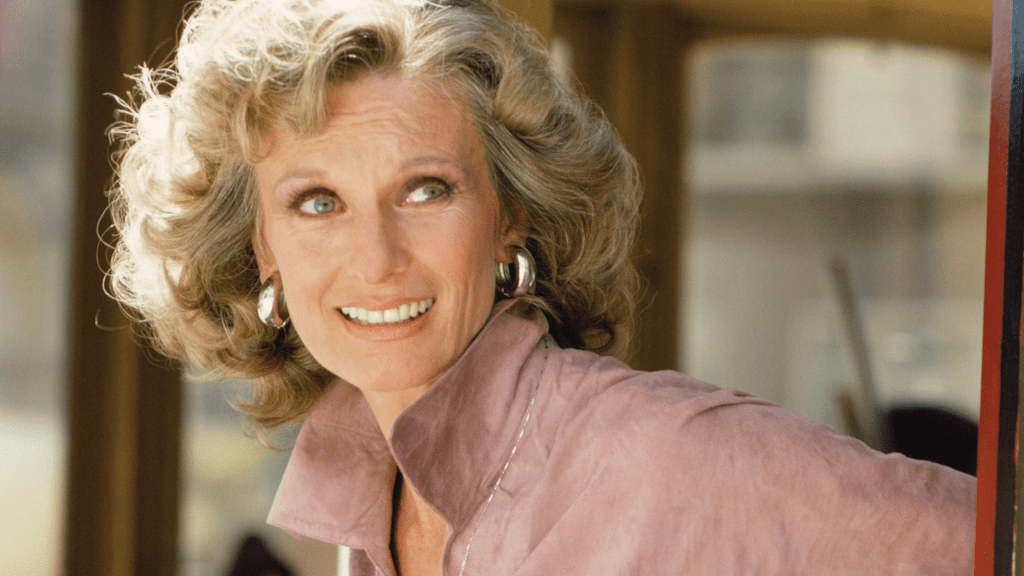
Every legend has an origin story. Cloris Leachman’s began far from red carpets and camera flashes. She was born on April 30, 1926, in Des Moines, Iowa — a place defined more by lumberyards and long winters than by movie premieres.
Her father, Berkeley “Buck” Leachman, ran a family lumber business. The rhythm of saws and steady Midwestern discipline shaped her early world. But inside that grounded upbringing burned something electric. She wasn’t content just observing life — she wanted to interpret it.
As a child, she took piano lessons and performed in youth theater productions at Drake University. Even then, she wasn’t just memorizing lines. She was studying human behavior like a scientist studying reactions. What makes someone laugh? What makes someone ache? She wanted to know.
And that curiosity became her compass.
New York, The Actors Studio, and Raw Reinvention
If Iowa gave her roots, New York gave her wings.
Cloris entered the Actors Studio at a time when acting was evolving from polished performance to emotional excavation. Under the guidance of Elia Kazan, she trained alongside artists like Marlon Brando. The atmosphere wasn’t glamorous. It was intense, disciplined, and brutally honest.
Here’s the thing about the Actors Studio: it doesn’t let you fake anything. You either bring truth to the stage, or you’re exposed.
Video: Roast’s Legendary Ladies of Comedy – Comedy Central Roast
Cloris brought truth.
She shed regional stereotypes and reshaped herself into a character actress of depth and precision. She refused to be boxed into the “sweet girl next door” archetype. Instead, she leaned into imperfection, humor, vulnerability, and grit.
She didn’t want to look pretty. She wanted to feel real.
Broadway Grit and Television Dominance
Before Hollywood crowned her, Broadway tested her.
On stage, there’s nowhere to hide. No camera angles. No editing. Just breath, timing, and presence. Cloris mastered all three. She learned to command attention without shouting for it.
Then television came calling — and she didn’t just appear on screen, she transformed it.
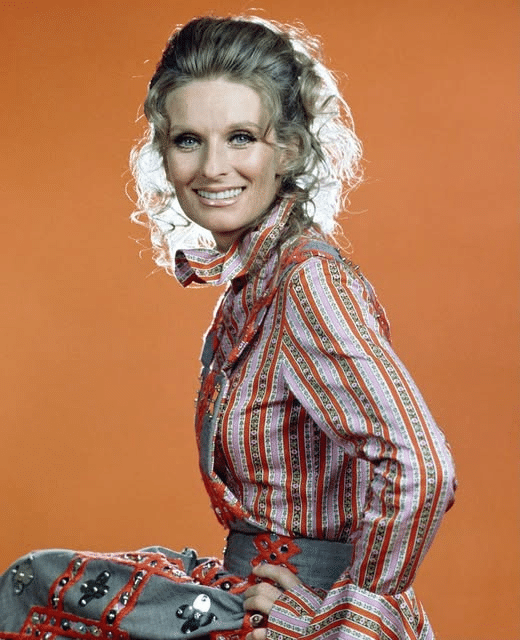
Her portrayal of Phyllis Lindstrom on The Mary Tyler Moore Show became iconic. She turned meddling curiosity into comedic brilliance. But what made her performance unforgettable wasn’t just the punchlines. It was the subtle humanity underneath the sarcasm.
That duality became her signature.
Nine Emmy Awards later, it was clear: this wasn’t luck. It was sustained excellence.
The Oscar Moment That Cemented Her Legacy
Then came The Last Picture Show.
Her performance as Ruth Popper was haunting in its restraint. She portrayed loneliness not as melodrama, but as quiet erosion — the kind that seeps into everyday life.
When she won the Academy Award for Best Supporting Actress, it wasn’t just recognition for one role. It was validation of an entire philosophy of acting. Subtlety matters. Silence speaks. Authenticity wins.
Video: Rob Reiner and Cloris Leachman Win Best Supporting Actor and Actress (Comedy) | Emmys Archive (1974)
She didn’t chase the spotlight. She earned it.
And that Oscar wasn’t the peak — it was proof she could climb any mountain she chose.
Fearless Comedy and Creative Risk-Taking
Just when critics thought they had defined her, she flipped the script.
Her collaborations with Mel Brooks — especially in Young Frankenstein — showcased a completely different dimension of her talent. She embraced absurdity without hesitation. She committed fully to every outrageous beat.
Comedy is often harder than drama. It demands precision and courage. One mistimed gesture and the moment collapses.
Cloris never missed.
Later, she appeared on Dancing with the Stars, proving that age was irrelevant to reinvention. Instead of retreating gracefully, she charged forward playfully.
Who says reinvention has an expiration date?
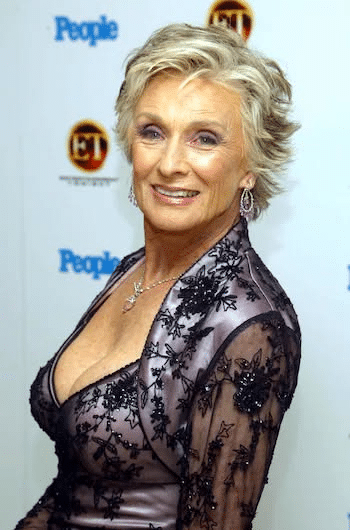
Staying Grounded in a Shifting Industry
Hollywood can be intoxicating. Fame can distort perspective. Yet Cloris carried her Iowa grounding with her everywhere.
She approached celebrity like a seasoned traveler — aware of its illusions, careful not to lose herself in them. She joked about aging. She embraced eccentric opportunities. She supported causes she believed in.
She never tried to freeze herself in time.
And maybe that’s why she lasted so long.
While others clung to image, she clung to craft.
Longevity as a Form of Art
Seventy years in entertainment isn’t accidental. It’s strategic endurance.
Cloris understood something many performers miss: adaptability equals survival. She moved fluidly between drama, sitcoms, films, theater, and reality television. She didn’t resist change — she partnered with it.
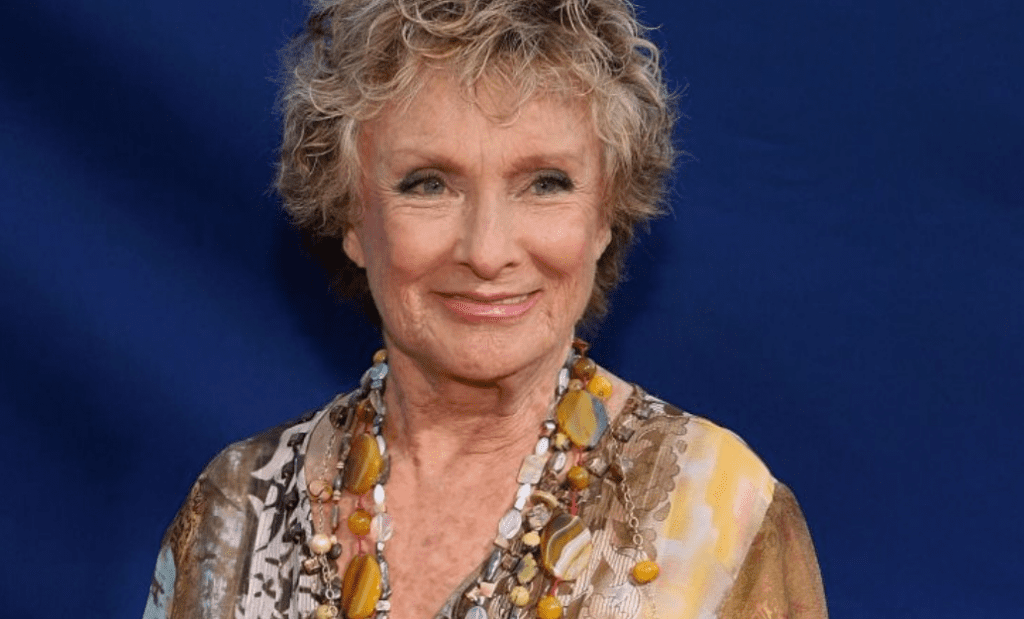
Think of her career like a river. It bent, curved, widened, narrowed — but it never stopped flowing.
In an industry obsessed with youth, she made experience magnetic.
A Century of Influence
As we look back nearly a century after her birth, her impact remains unmistakable.
She shattered the idea that actresses must fade quietly. She demonstrated that humor and gravitas can coexist. She embodied resilience without sacrificing warmth.
Cloris Leachman wasn’t simply a performer collecting awards. She was a living argument for creative fearlessness.
She proved that talent paired with persistence becomes legacy.
Cloris Leachman’s journey from Des Moines to Hollywood greatness reads like a masterclass in reinvention. She built her foundation in Iowa, refined her craft in New York, conquered Broadway, dominated television, earned an Oscar, and redefined longevity in an unforgiving industry.
Through nine Emmys, fearless comedic turns, and deeply human dramatic performances, she demonstrated that authenticity outlasts trends. She stayed grounded, stayed curious, and stayed brave.
In the end, her legacy isn’t just about trophies. It’s about courage — the courage to evolve, to take risks, and to remain unmistakably yourself in a world that constantly tries to reshape you.
And that kind of brilliance never fades.