Hollywood has a funny way of handing out advantages that feel suspiciously like burdens. Being born into a legendary family can open every door—and still make you question whether you’re allowed to walk through them on your own. For Dakota Johnson, that tension has shaped nearly every chapter of her career. By 2026, though, the verdict is clear: she didn’t just step out of the shadow. She redesigned the light.
This isn’t a story about rejecting her past. It’s about repurposing it. Dakota took a famous last name, stripped it of expectations, and rebuilt her career brick by brick—until it finally felt like hers.
Growing Up Surrounded by Applause and Pressure
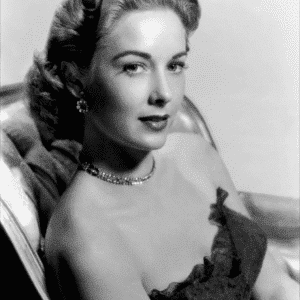
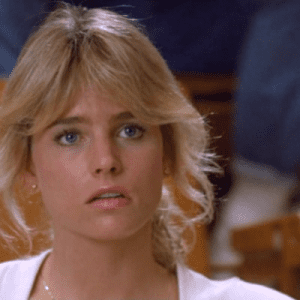
When your parents are Melanie Griffith and Don Johnson, and your grandmother is Tippi Hedren, fame isn’t abstract. It’s dinner-table conversation. It’s background noise. It’s a constant reminder that success can be fragile.
Dakota grew up watching how quickly admiration can turn into expectation. That early exposure didn’t make her reckless—it made her cautious. Instead of chasing instant validation, she learned to wait, observe, and choose her moments. That patience would later become one of her greatest assets.

The Moment the World Started Watching Closely
Her rise into global recognition came fast, and with it came a level of scrutiny few people are prepared for. Sudden fame doesn’t ask permission—it floods your life. Every choice becomes public. Every pause gets analyzed.
Rather than letting that pressure flatten her identity, Dakota treated it like a crash course in self-control. She learned how to filter opinions, how to show up without overexposing herself, and how to survive a spotlight that never really turns off. That period didn’t define her career. It trained her for what came next.
Turning Visibility Into Leverage
Here’s where the strategy became obvious. Instead of staying boxed into one lane, Dakota used mainstream success as fuel. She reinvested it into projects that scared her a little—and challenged audiences a lot.
Films like Suspiria and The Lost Daughter marked a clear shift. These weren’t safe choices. They were textured, unsettling, and emotionally complex. They proved she wasn’t interested in being comfortable—she wanted to be curious.
Think of it like trading a fast highway for a winding mountain road. Slower, yes. But the view? Entirely different.

A Public Persona Built on Calm Confidence
If you’ve ever watched Dakota in interviews, you know her secret weapon isn’t volume—it’s composure. She doesn’t perform likability. She practices honesty. Awkward questions don’t rattle her; they become opportunities for dry humor and subtle control.
That same authenticity shows up in how she talks about mental health. By speaking openly about living with depression from a young age, she reframes the conversation. No drama. No spectacle. Just truth. In an industry obsessed with polish, that kind of transparency feels quietly radical.
Stepping Behind the Camera With Purpose
By the mid-2020s, Dakota’s ambitions expanded beyond acting. Through TeaTime Pictures, she transitioned into shaping stories instead of just starring in them. Producing requires a different kind of confidence—the kind that trusts instinct over applause.
Her focus has been consistent: nuanced characters, female-driven narratives, and stories that breathe instead of rush. She’s not trying to dominate the system. She’s adjusting its rhythm, proving that thoughtful storytelling can coexist with commercial success.

Redefining What Legacy Really Means
By 2026, Dakota Johnson’s career feels intentional in a way few are. She didn’t outrun her heritage. She absorbed it, questioned it, and then built something sturdier on top. Her legacy isn’t about lineage—it’s about taste, restraint, and long-term vision.
She’s no longer just another branch of a famous family tree. She’s the gardener, choosing what grows next and what gets trimmed back.
Dakota Johnson’s evolution is a reminder that real independence doesn’t arrive overnight. It’s earned through patience, risk, and the willingness to walk away from easy wins. She transformed early visibility into creative authority, public curiosity into private clarity, and inherited fame into earned respect.
By 2026, her career isn’t loud—but it’s solid. And in Hollywood, that kind of control is the rarest success of all.