
Beauty in 2026 is no longer something you simply inherit. It is something you shape, refine, and intentionally present to the world. Kylie Jenner understood this shift before most people even noticed it happening. What began as a quiet evolution turned into one of the most influential visual identities of the digital age.
Kylie did not stumble into relevance. She observed, adapted, and designed her image with the precision of an architect drafting a skyline. Every adjustment served a purpose. Every change told a story. Her face became more than a reflection. It became a brand language understood across screens, cultures, and generations.
Video:
From Observation to Ownership
In her early years, Kylie existed on the edges of a loud spotlight. Instead of competing for attention, she studied how attention worked. She noticed how angles reshaped perception. How lighting altered emotion. How confidence could silence a room faster than words.
That awareness became her advantage. When she chose to evolve, she did so publicly and without apology. She reframed transformation as self direction rather than insecurity. That single shift changed the tone of beauty conversations worldwide. Change was no longer something to hide. It became something to own.
The Science Behind the Kylie Look
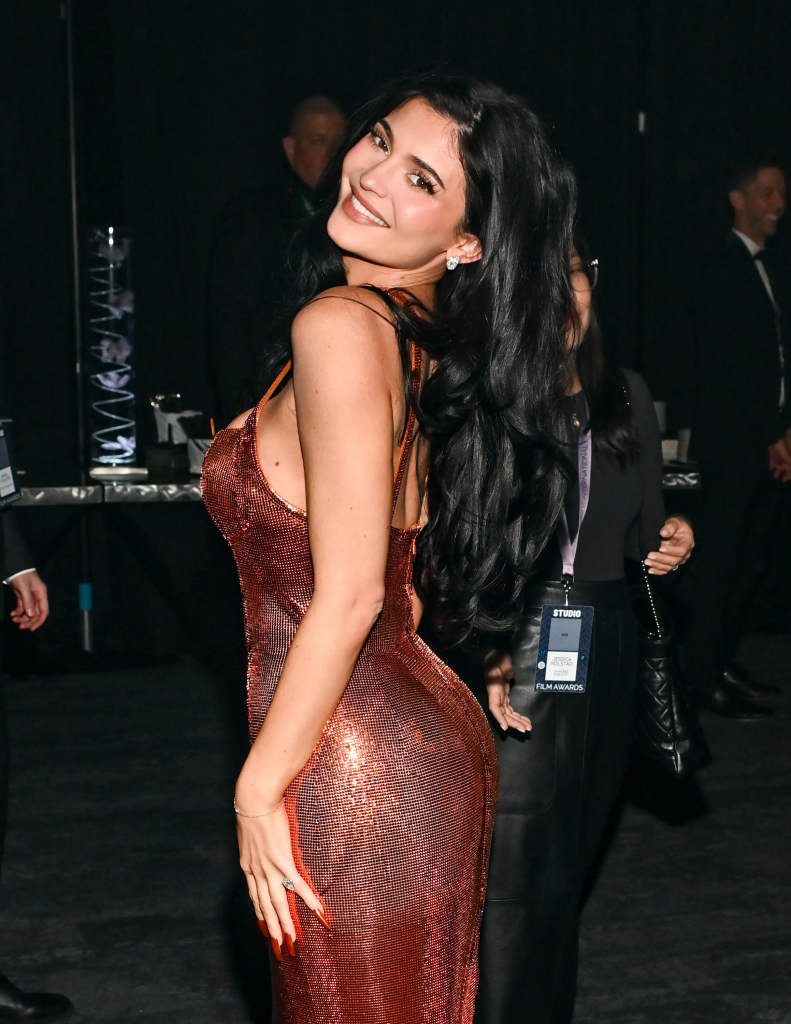
The signature Kylie aesthetic is not random. It is rooted in balance, proportion, and visual clarity. Strategic volume placement enhanced natural contours while preserving harmony. Cheek structure lifted the face. Lip fullness restored symmetry. Jaw definition created strength on camera.
Rather than exaggeration, the approach focused on refinement. Each element worked together to guide light across the face in a controlled way. The result was a look that reads cleanly on high resolution screens where imperfections are magnified and softness disappears.
Video:
Why Subtle Adjustments Changed the Industry
Kylie popularized a quieter kind of transformation. Small refinements layered over time replaced dramatic overhauls. This approach made change feel attainable rather than extreme. It normalized the idea that evolution could be gradual, intentional, and personal.
As conversations became more open, stigma faded. Curiosity replaced secrecy. Once that door opened, the beauty industry shifted permanently. People stopped asking whether change was allowed and started asking how it was done.

Color Theory and the Illusion of Structure
Beyond facial structure, Kylie mastered color as a visual tool. Matte textures reduced glare. Neutral undertones balanced warmth and coolness. Subtle depth reshaped perception without visible lines.
It followed the same principles painters use to create dimension on flat surfaces. Light advances. Shadow retreats. With the right balance, features appear sculpted even before any physical enhancement takes place.
Makeup stopped being decoration. It became architecture.
Video:
Built for the Digital World
Kylie’s image thrives in the digital environment. High definition screens reward clarity and punish inconsistency. Her look adapts seamlessly across formats, moods, and trends. One moment bold and expressive. The next minimal and restrained.
This flexibility keeps her relevant. She treats her image like evolving software rather than a fixed portrait. Updates are constant. Reinvention is expected.

Confidence as the Final Layer
The most powerful element in Kylie’s transformation cannot be purchased or applied. It is confidence. She never waited for approval to change. She moved forward and allowed culture to respond.
That certainty became contagious. In a world crowded with opinions, decisiveness stands out. Confidence became the final polish that made everything else believable.
Kylie Jenner did not redefine beauty by rejecting tradition. She redefined it by redesigning it. Through balance, perception, and unapologetic ownership, she turned personal evolution into a cultural blueprint. Her influence reaches beyond aesthetics into how modern identity is shaped in public spaces.
In the digital age, beauty belongs to those who understand perception.
And power belongs to those who design it.