Picture the early 1990s for a moment. Television screens glowed softly in dark living rooms, radios played nonstop pop hits, and the entertainment industry was quietly shifting toward a new generation of stars. The atmosphere was buzzing with possibility.
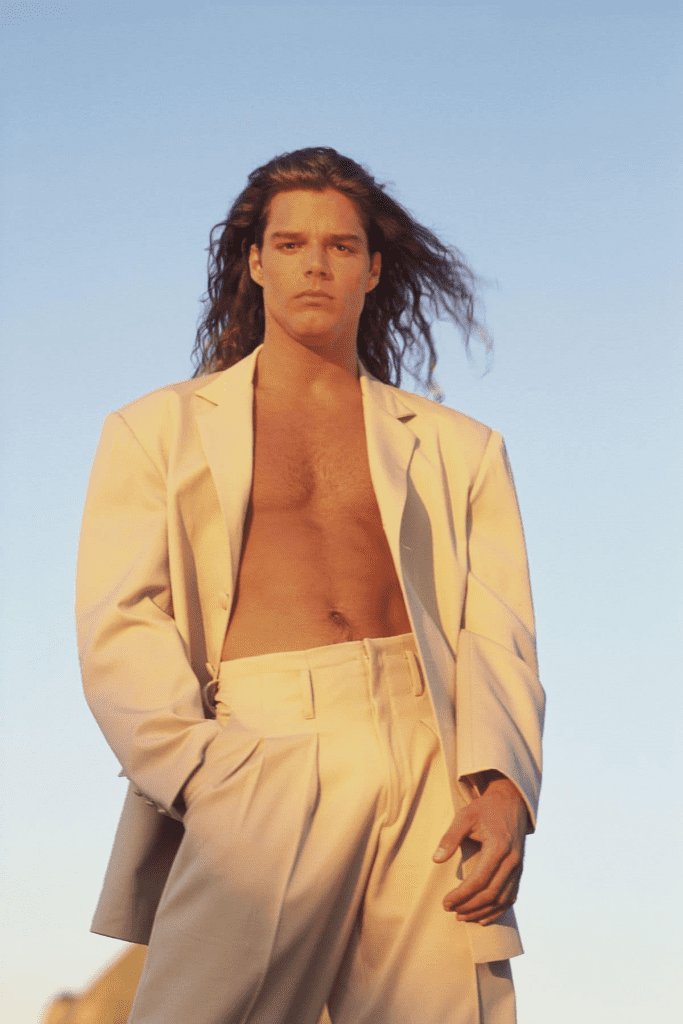
Back then, many people still recognized Ricky Martin primarily as the energetic young performer from Menudo. His youthful smile and polished performances had made him a familiar face to fans across Latin America. Yet something was changing behind the scenes.
The energy around him felt different. If you paid attention closely, it was like hearing a faint drumbeat growing louder. Ricky Martin was preparing to step beyond the identity of a former boy band member and build a career entirely on his own terms.
And that journey truly began in 1993.
Video: “Living the Crazy Life” “Living la Vida Loca” — Ricky Martin
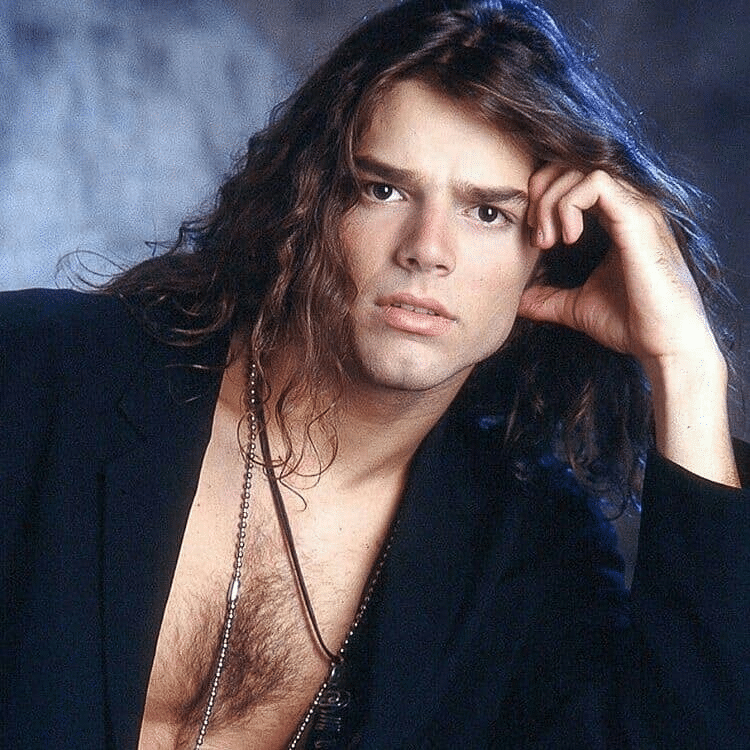
Breaking Free From the Teen Idol Image
Leaving behind the reputation of a teen idol is no small challenge. When the world first meets you as part of a group, it can be difficult to convince audiences that you are capable of standing alone.
But Ricky Martin approached the transition with determination.
Instead of repeating the past, he focused on reinvention. His music matured, his stage presence sharpened, and his creative vision expanded. The boyish charm that once defined him evolved into something deeper—confidence, charisma, and emotional expression.
Think of it like a butterfly emerging from its cocoon. The transformation wasn’t sudden, but once it happened, it was impossible to ignore.
By 1993, Ricky Martin was ready to prove that his story was only beginning.
Balancing Acting and Music During a Critical Moment
While many artists focus on one career path, Ricky Martin found himself navigating two demanding worlds simultaneously.
Stepping Into American Television
During the day, he appeared on the beloved American soap opera General Hospital. His role as Miguel Morez introduced him to a new audience and showcased his natural acting ability.
Viewers were drawn to his intensity and presence. On screen, he carried a quiet magnetism that made every scene feel genuine. For many fans, this was the first time they saw Ricky Martin not as a pop star, but as a versatile entertainer.
Late-Night Recording Sessions
When filming ended, another chapter of his day began.
Ricky spent long evenings in recording studios, carefully shaping the music that would define his evolving identity. The process required patience and relentless dedication.
Video: Ricky Martin – Livin’ la Vida Loca
Imagine finishing a full day of acting and then stepping into a studio to sing for hours. That level of commitment isn’t easy—but it was necessary.
He wasn’t simply chasing fame.
He was building a foundation for something much bigger.
The Creative Birth of “Me Amarás”
One of the most important milestones of Ricky Martin’s early solo career came with his album Me Amarás. This project helped establish the direction he wanted to take as a musician.
Working alongside respected producer Juan Carlos Calderón, Ricky began exploring new musical territory.
A Sound That Felt More Mature
Compared to the pop sounds associated with his earlier career, the music on Me Amarás felt richer and more emotionally layered.
The album embraced romantic storytelling, expressive vocals, and melodic arrangements that allowed Ricky’s voice to shine. Songs such as “Que Día Es Hoy” captured both passion and vulnerability, giving listeners a glimpse into his artistic growth.
It wasn’t just music designed for radio play.
It was music with heart.
Latin Roots at the Core
Another defining aspect of the album was its strong connection to Latin musical traditions. Rhythms, melodies, and emotional expression reflected Ricky Martin’s Puerto Rican heritage.
This authenticity added depth to the music.
Listeners didn’t just hear a polished performance—they felt the cultural heartbeat behind every note.
The Magic of Ricky Martin’s Live Performances
Music can reach millions through recordings, but nothing compares to the electricity of a live performance.
And in 1993, Ricky Martin’s stage shows began revealing the full power of his charisma.
A Performer Who Captivated Every Audience
Watching him perform felt like witnessing a burst of energy unfold in real time. He combined smooth vocal delivery with dynamic movement, creating a performance style that felt both intimate and explosive.
Video: RICKY MARTIN IN THE HOUSE!
One moment he would deliver a heartfelt ballad that touched the audience emotionally. The next moment he would ignite the stage with rhythm and dance.
The crowd responded instantly.
Because when an artist truly connects with their audience, the atmosphere becomes electric.
Developing the Signature Style
During these early performances, Ricky Martin began shaping the stage persona that would later captivate audiences worldwide.
Confidence blended with vulnerability. Precision merged with spontaneity. Every movement felt natural yet powerful.
It was clear that something extraordinary was taking shape.
A Defining Year in the Journey to Global Stardom
Looking back, it’s easy to see why 1993 became such an important chapter in Ricky Martin’s career.
That year represented the moment when several paths converged.
His acting career expanded his visibility. His music began to reflect a deeper artistic identity. And his performances proved he had the charisma to command any stage.
Most importantly, he gained the confidence to trust his own voice—both literally and creatively.
That confidence would soon propel him toward international success.
Laying the Groundwork for Future Success
The global popularity Ricky Martin achieved later in his career did not appear overnight. It was built step by step through years of dedication, experimentation, and growth.
The work he did in 1993 laid the foundation for everything that followed.
By refining his sound, strengthening his stage presence, and connecting with diverse audiences, he positioned himself as a rising force in Latin pop music.
And once that momentum began, it never slowed down.
Every great career has a turning point—a moment when potential transforms into purpose.
For Ricky Martin, that moment arrived in 1993.
It was the year he stepped beyond the expectations placed on him as a former group member and began shaping his own path. Through acting, music, and unforgettable performances, he revealed the determination and creativity that would later make him a global icon.
Looking back now, that year feels like the opening chapter of a much larger story.
A story about talent, perseverance, and the courage to reinvent oneself.
And in many ways, it was the year Ricky Martin stopped chasing the spotlight—and started shining inside it.