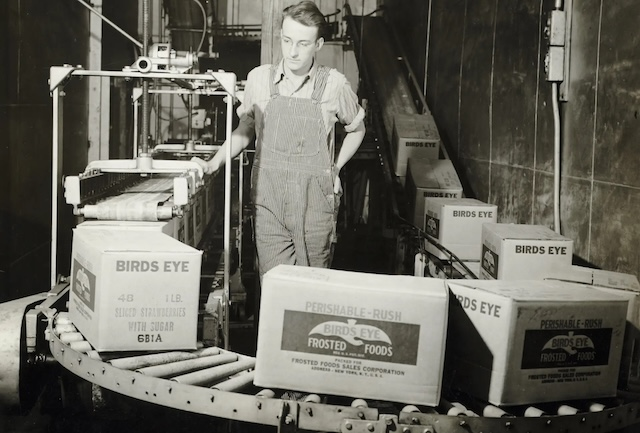
The story of the TV dinner begins long before it became a staple in American households. The initial concept of frozen meals can be traced back to 1925, when Clarence Birdseye developed a method for quickly freezing fish. This innovation laid the groundwork for the frozen food industry, but it wasn’t until World War II that frozen meals began to take shape.
In 1944, Maxson Food Systems Inc. created “Strato-Plates” for military and civilian air carriers. These meals, consisting of meat, a vegetable, and a potato, were reheated aboard planes. Although Maxson’s product never reached the retail market, it was a significant step towards the TV dinner.
The breakthrough came in 1949 when brothers Albert and Meyer Bernstein founded Frozen Dinners Inc. Their meals, sold under the One-Eyed Eskimo label, were initially available only in the Pittsburgh area. By 1950, the company had produced over 400,000 dinners. By 1954, after expanding distribution, they had sold more than 2 million pre-packaged frozen meals.
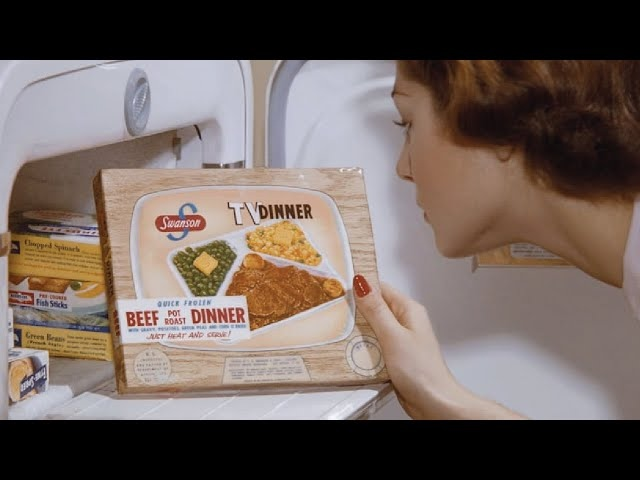
The exact origins of the TV dinner are still debated. One version credits Gerry Thomas, a Swanson salesman, with the idea. Thomas reportedly saw aluminum trays for frozen food and sketched a three-compartment version, which he presented to Swanson executives. The company filled these trays with leftover turkey, gravy, cornbread dressing, peas, and sweet potatoes.
Swanson launched a massive marketing campaign, tying the dinners to the television, the must-have appliance of the era. The meals, priced at 98 cents, promised “dinner in 25 minutes” and were a hit. By 1954, Swanson sold over 10 million units, and the next year, 25 million.
However, other sources credit the Swanson brothers themselves, Gilbert and Clarke Swanson, with the idea. Some say Gilbert was inspired by airline food trays, while others suggest the name “TV dinner” came from a party where guests balanced food on their laps while watching TV.
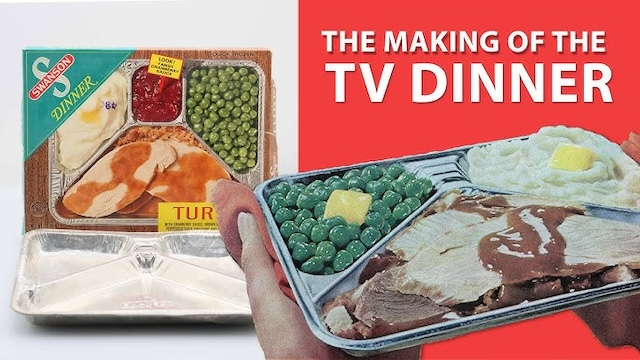
One undisputed contributor to the TV dinner’s success is Betty Cronin, a bacteriologist at Swanson. Cronin was tasked with ensuring that all components of the meal could be heated to optimal taste, texture, and consistency simultaneously. Her biggest challenge was the fried chicken option, which required a breading that would stay on through freezing and reheating without becoming greasy.
Cronin and her friends taste-tested countless experiments until they got it right. Despite her significant contributions, Cronin later admitted that she never had a TV dinner in her home.
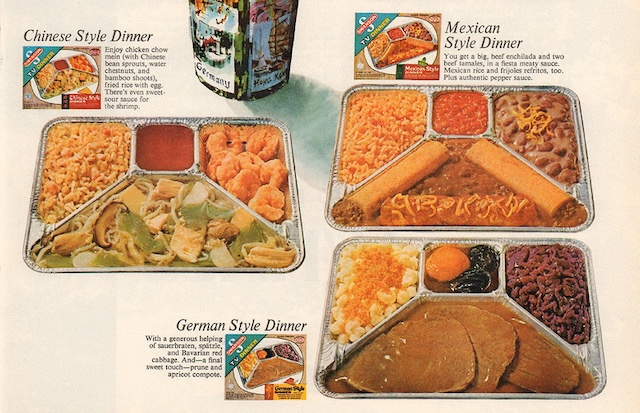
The TV dinner is more than just a convenient meal; it is a symbol of mid-20th century innovation and cultural change. Despite its humble beginnings as a solution to a turkey surplus, the TV dinner has become an enduring part of American culinary history.
It reflects the evolving lifestyle of a nation that embraced convenience without sacrificing quality. As we look back on the history of the TV dinner, we appreciate not only the food itself but also the creativity and determination that brought it to our tables.
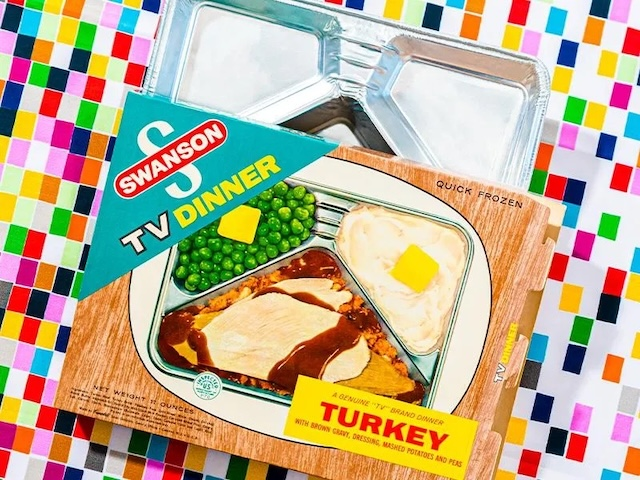
The TV dinner’s journey from frozen fish to TV trays is a fascinating story of ingenuity, marketing, and cultural change. From Clarence Birdseye’s pioneering freezing techniques to Betty Cronin’s food science expertise, the TV dinner’s origins are a testament to the innovative spirit that shaped American cuisine. As we enjoy our modern-day TV dinners, we can appreciate the rich history that has made this convenient meal an enduring part of our culinary landscape.