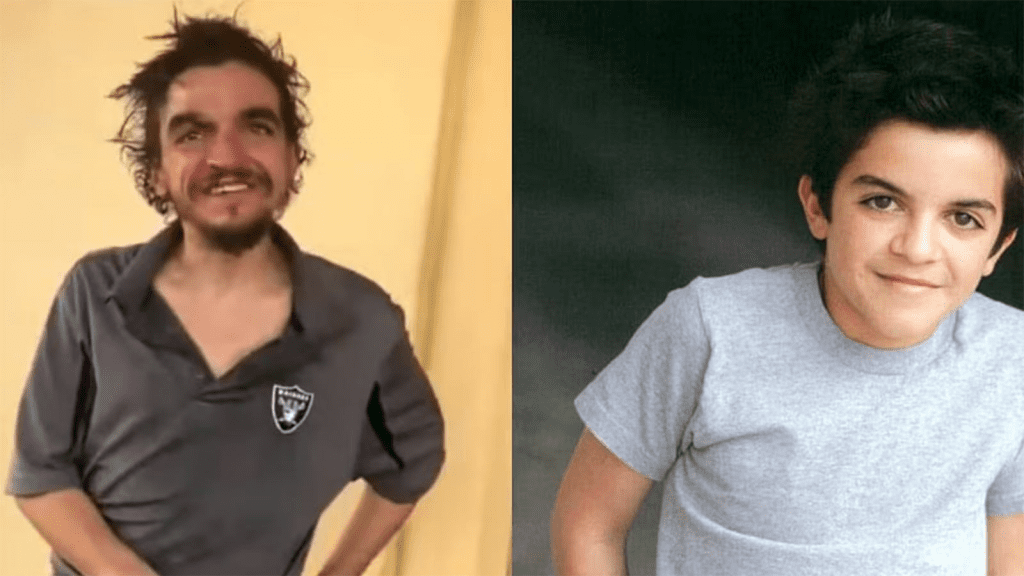
I’ll be honest. Some videos don’t just trend. They linger. A recent viral clip featuring Tylor Chase did exactly that. The former Nickelodeon actor was found living on the streets of Riverside, California, and the footage spread quickly across social media, leaving fans stunned and heartbroken.
In the video, Chase appeared disheveled and exhausted, a stark contrast to the energetic teen many viewers remembered from television. A fan filming him asked if he had been on Disney Channel. Chase calmly corrected her. Nickelodeon. Specifically, “Ned’s Declassified.” That quiet clarification hit harder than any dramatic line ever could.
Remembering His Role on a Beloved Nickelodeon Series
For many millennials, Chase will always be Martin Qwerly from Ned’s Declassified School Survival Guide. The show aired from 2004 to 2007 and became a staple of after-school TV. Chase played the quirky, memorable character who blended right into the chaotic charm of the series.
Back then, life looked promising. The future felt wide open. Watching that same actor now, struggling on the streets, feels like seeing two timelines collide. It forces a question none of us like asking. How does someone go from childhood fame to homelessness?

The Moment That Sparked Online Outrage
As the fan filming realized who Chase was, her tone shifted. “Oh yeah, you’re that kid on it,” she said, after he shared his name. The exchange may have been brief, but it ignited a firestorm online.
Many viewers felt uncomfortable watching someone’s lowest moment become public content. Others focused on the bigger picture, asking how an industry that creates so much wealth can leave some of its former stars behind. The comments came fast and emotional. People said the video broke their hearts. Others called the situation deeply troubling.
Public Reaction Divided Between Concern and Criticism
Not all reactions were aimed at sympathy alone. A significant number of users criticized the person who filmed Chase instead of helping him. Some questioned the ethics of recording someone clearly struggling without offering support. Others pointed out that viral attention, while uncomfortable, might be the only reason help could reach him.
That tension reflects a larger debate we see often online. Is exposure a form of exploitation, or is it sometimes the first step toward awareness? There’s no easy answer, but the discomfort people felt was very real.
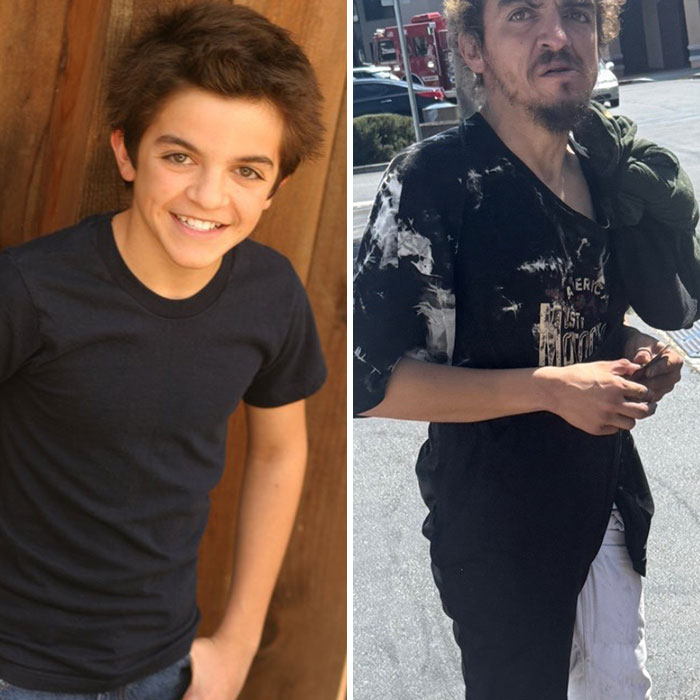
A GoFundMe, Then a Sudden Stop
After the video went viral in September, a GoFundMe was reportedly launched to help Chase. The page raised more than $1,200 before it was shut down by his mother. Her explanation shifted the narrative in an important way.
According to her, Chase needs medical attention, not money. She explained that he struggles to manage finances and medication and often loses phones within days. Her words painted a more complex picture. This wasn’t just about financial hardship. It was about health, stability, and long-term care.
When Money Isn’t the Solution
We like to believe that money fixes everything. But Chase’s situation reminds us that support is often deeper than donations. If someone can’t manage basic needs due to medical or mental health challenges, cash alone won’t change the outcome.
His mother’s decision to shut down the fundraiser frustrated some fans, but it also clarified reality. Helping someone means meeting them where they are, not where we wish they were.
Former Co Stars Speak Out With Heavy Hearts
The situation deeply affected Chase’s former castmates. On their “Ned’s Declassified Podcast Survival Guide,” Daniel Curtis Lee, Devon Werkheiser, and Lindsey Shaw addressed the viral video openly.
Lee admitted the footage made him angry at first. Angry that someone would put a camera in Chase’s face during such a vulnerable moment. Then that anger turned inward. He spoke about feeling powerless, about not knowing how to truly help.
Shaw, who has spoken publicly about her own past struggles, shared something even more personal. She said she had been someone like that. Someone at a low point. Her honesty added depth to the conversation and reminded listeners how thin the line can be between stability and crisis.
A Promise to Help Without Exploiting
The former castmates made one thing clear. They want to help Chase, but not turn his pain into content. They emphasized that he would not be appearing on the podcast and that real help requires more than visibility.
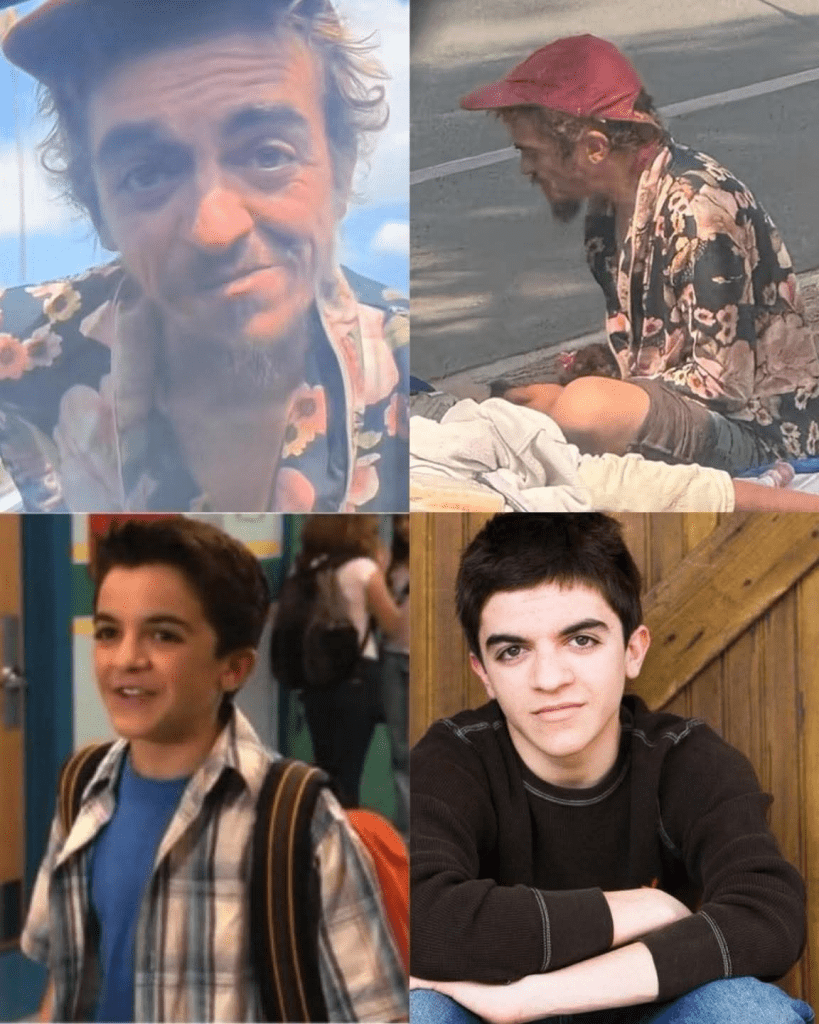
Werkheiser stressed that there’s a lot that needs to happen before anything public should occur. That perspective mattered. It showed respect. It showed restraint. And it showed that not every story needs a spotlight to move forward.
The Bigger Conversation About Child Stardom
Chase’s story opens a much larger discussion about what happens to child actors when the cameras stop rolling. Fame at a young age doesn’t come with a manual for adulthood. Some transition smoothly. Others don’t. And when support systems fail, the fall can be devastating.
This isn’t about blaming one industry or one decision. It’s about acknowledging that early success doesn’t guarantee lifelong security. Sometimes, it masks deeper struggles that only surface years later.
Tylor Chase’s viral video wasn’t just shocking. It was sobering. It reminded us that behind every familiar face is a human being with real challenges. His journey from a beloved Nickelodeon series to life on the streets forces us to look beyond nostalgia and ask harder questions about care, responsibility, and empathy.
This isn’t a story meant to entertain. It’s a story meant to wake us up. And if it leads to understanding rather than judgment, then maybe something meaningful can come from the moment that stopped so many people in their tracks.