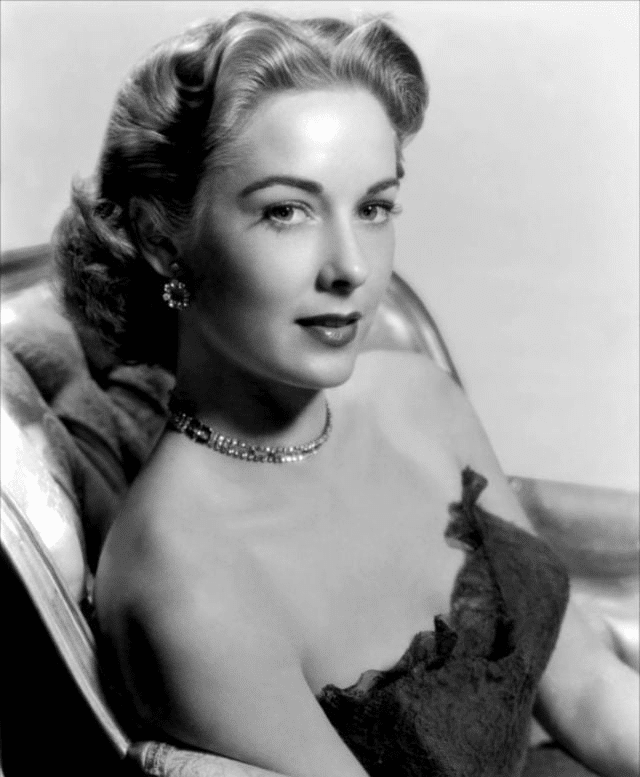
Every Hollywood legend has a story that begins far from the spotlight. Vera Miles’ journey started in Boise City, Oklahoma, where she was born Vera June Ralston on August 23, 1930. Like many stars of her era, her path toward fame wasn’t carefully planned—it unfolded step by step.
Growing up in Kansas and later Wichita, Miles lived a fairly ordinary life. She worked nights as a Western Union operator while finishing high school. At that time, Hollywood probably felt like a distant dream rather than a realistic destination.
But life has a funny way of opening unexpected doors.
In 1948, Miles was crowned Miss Kansas, and soon after she placed as third runner-up in the Miss America pageant. That moment changed everything. Suddenly, a young woman who had spent her nights typing telegrams found herself noticed by talent scouts and industry insiders.
The road to Hollywood had officially begun.
Video: Vera Miles: Rare Photos & Untold Facts
The Move to Los Angeles and Early Acting Roles
By 1949, Miles made the bold decision to move to Los Angeles. For many aspiring actors, that step can feel like jumping into the deep end of the ocean. Hollywood is full of dreams—but also competition.
Her earliest roles were small appearances in television and film. One of her first on-screen moments came as a chorus girl in the 1951 musical Two Tickets to Broadway. Interestingly, the film starred Janet Leigh, who would later appear alongside Miles in a movie that would become one of the most famous thrillers in cinema history.
But success didn’t arrive overnight.
Miles once joked that she had been “dropped by the best studios in town.” That comment captures the reality of Hollywood perfectly. Rejection is part of the process. Yet persistence often separates those who fade away from those who build lasting careers.
For Miles, persistence paid off.
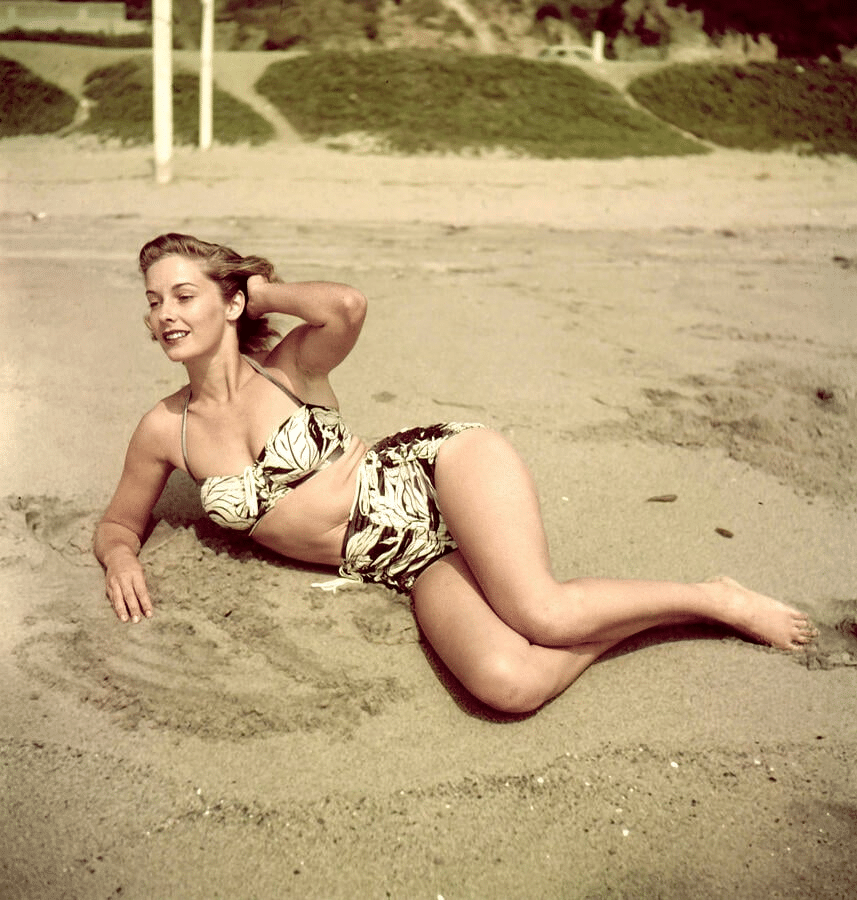
Breaking Into Hollywood Films
Her first credited role came in the 1952 romantic comedy The Rose Bowl Story, where she played a Tournament of Roses queen. The role may not have been groundbreaking, but it helped open doors.
Soon afterward, she began landing more visible roles.
In 1955, she starred opposite Gordon Scott in Tarzan’s Hidden Jungle, playing the adventurous hero’s romantic interest. Around the same time, she began working under contract with major studios, which allowed her to appear in larger productions.
Then came a turning point.
Director John Ford, one of the most respected filmmakers in Hollywood history, cast Miles in the western classic The Searchers (1956) alongside John Wayne. For any actor, working with Ford was a significant milestone.
The film went on to become one of the most influential westerns ever made, and Miles’ presence in the cast helped solidify her place in the industry.
Video: Psycho II (1983) Official Trailer – Anthony Perkins, Vera Miles Movie HD
Working with Alfred Hitchcock
If John Ford gave Vera Miles credibility in western cinema, Alfred Hitchcock elevated her status even further.
In 1956, Hitchcock cast Miles in The Wrong Man, a suspense drama based on a real-life story. The film starred Henry Fonda as a musician wrongly accused of a crime, and Miles played his emotionally fragile wife.
Her performance demonstrated a different side of her acting abilities. Instead of playing romantic leads, she portrayed vulnerability, anxiety, and emotional depth.
Hitchcock was impressed.
In fact, he believed Miles had the potential to become his next major leading actress. He even signed her to a five-year personal contract, reportedly seeing her as a possible successor to Grace Kelly.
That kind of confidence from a legendary director was rare—and it spoke volumes about Miles’ talent.
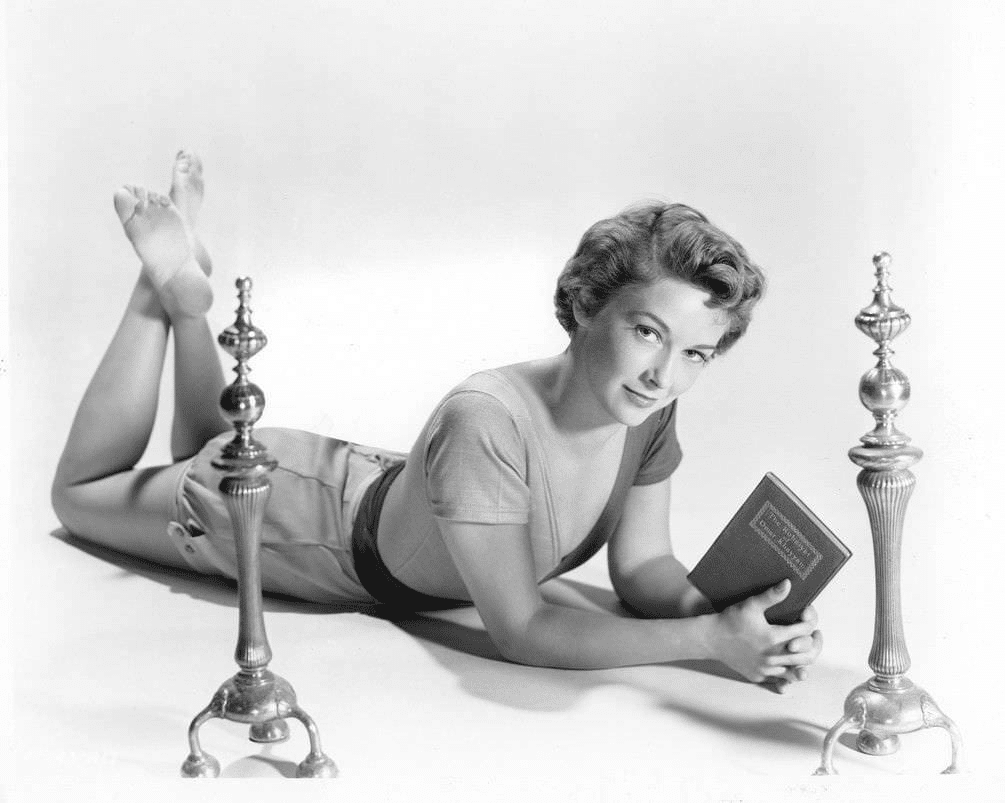
The Role That Made Her Unforgettable
Although Vera Miles appeared in many films, one role forever connected her name to cinematic history.
That role was Lila Crane in Psycho (1960).
If you’ve seen the film, you probably remember the tension, the mystery, and the chilling atmosphere that Hitchcock created. Miles played the determined sister of Marion Crane, portrayed by Janet Leigh.
After Marion mysteriously disappears, Lila begins searching for the truth. Her character brings intelligence and courage to the investigation, eventually uncovering one of the most shocking twists in movie history.
Even decades later, Psycho remains one of the most analyzed thrillers ever made.
Miles’ performance helped anchor the film’s suspense, and her role remains one of the most recognizable of her career.
More than twenty years later, she returned to the character in Psycho II (1983), reuniting with actor Anthony Perkins.
Video: Vera Miles Is Now 95, What She Looks Like Will Shock You…
Continuing Success in Westerns and Television
While many actors become defined by a single role, Vera Miles built a remarkably diverse career.
In 1962 she reunited with John Ford for The Man Who Shot Liberty Valance, another classic western featuring John Wayne and James Stewart. In the film, Miles plays the woman caught between two very different men—a storyline that explores honor, courage, and sacrifice.
But Miles didn’t limit herself to film.
Throughout the 1960s and 1970s, she appeared in numerous television series, including Gunsmoke, The Twilight Zone, Wagon Train, and Riverboat.
Television during that era was rapidly growing, and actors who embraced the medium often found steady work and broader audiences.
Miles also appeared in popular series such as Columbo, Hawaii Five-O, Fantasy Island, and The Streets of San Francisco.
Her adaptability allowed her to move easily between film and television, a skill that helped sustain her career for decades.
Later Roles and Final Performances
By the 1980s, Vera Miles had already established herself as a respected figure in Hollywood. Yet she continued to appear in both film and television.
Her credits during this period included movies like The Initiation and Into the Night, as well as guest appearances on series such as The Love Boat, Hotel, and Murder, She Wrote.
Her final television appearance came in 1991, and her last film role arrived in Separate Lives (1995).
After that, she quietly stepped away from acting.
Unlike many celebrities who chase the spotlight endlessly, Miles chose a quieter path once her career had run its course.
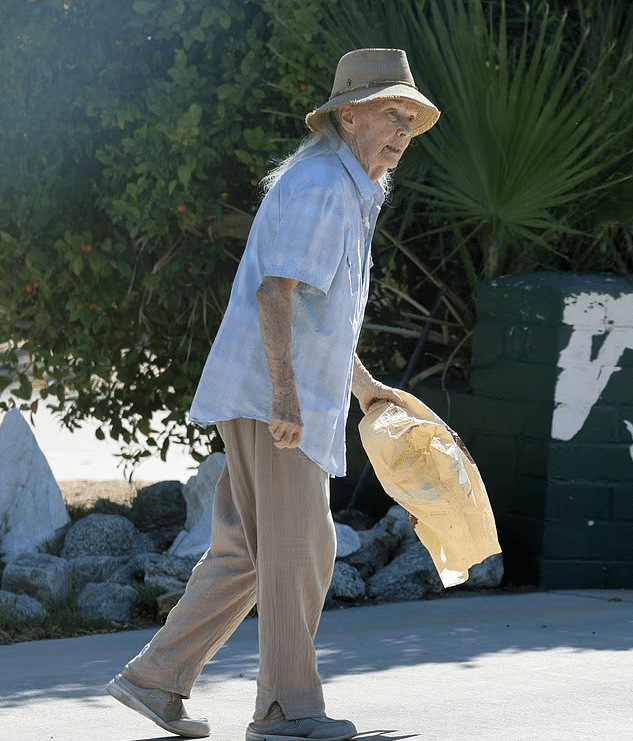
Personal Life Beyond Hollywood
Behind the scenes, Vera Miles led a life that reflected both the excitement and complexity of Hollywood.
She married four times and raised four children—two daughters and two sons. Balancing family life with an acting career is never easy, yet Miles managed to do both while maintaining a steady presence in film and television.
Outside of acting, she was also involved in community activities and religious life. She became a member of the Church of Jesus Christ of Latter-day Saints and participated in various charitable efforts.
These aspects of her life reveal a side of Miles that audiences rarely see on screen: a woman focused not only on career success but also on family and personal values.
The Enduring Legacy of Vera Miles
When people think of classic Hollywood actresses, they often remember the ones who defined an era of storytelling.
Vera Miles belongs firmly in that category.
Her career spanned decades, covering westerns, suspense thrillers, television dramas, and family films. She worked with legendary directors like John Ford and Alfred Hitchcock, appeared alongside some of the biggest stars in Hollywood history, and contributed to films that remain cultural landmarks.
Not every actor gets the opportunity to leave that kind of legacy.
But Miles did.
Vera Miles’ career stands as a testament to perseverance, adaptability, and timeless talent. From her early beginnings in Oklahoma to starring in classic films like The Searchers and Psycho, she built a career that bridged the golden age of Hollywood and the rise of modern television. Her ability to move effortlessly between genres and mediums allowed her to remain relevant for decades. Today, her work continues to be remembered by film lovers and historians alike, proving that true screen presence never fades—it simply becomes part of cinematic history.