When I look back at my teenage years, I don’t remember freedom. I remember rules. As a young ballet dancer, discipline wasn’t just part of my routine, it defined my entire existence. Every decision I made revolved around my body. What I ate. What I avoided. What I believed I deserved. At the time, I thought this level of control was strength. Now I understand it was fear wearing a pretty costume.
For years, I allowed myself one meal a day. Breakfast felt safe. Everything after that felt like failure. I lived in a rigid cycle of restriction followed by bingeing, convincing myself that this punishment was proof of commitment. Between the ages of fifteen and seventeen, I weighed just thirty-seven kilos. My sharp bones and hollow frame became symbols of success. I admired them, even as they slowly drained my energy, my joy, and my sense of self.
How Discipline Quietly Turns Into Damage
In performance-driven spaces, discipline is celebrated without question. But no one warns you how easily discipline can morph into obsession. In ballet, shrinking your body often feels like the unspoken requirement for belonging. Smaller meant lighter. Lighter meant better. Better meant worthy.
This mindset doesn’t exist in isolation. It reflects a broader culture that praises women for taking up less space. From a young age, many of us absorb the message that beauty lies in restraint and silence. Even now, I’ll admit that part of my brain still reacts to that conditioning. These beliefs don’t vanish overnight. They linger, whispering old lies.
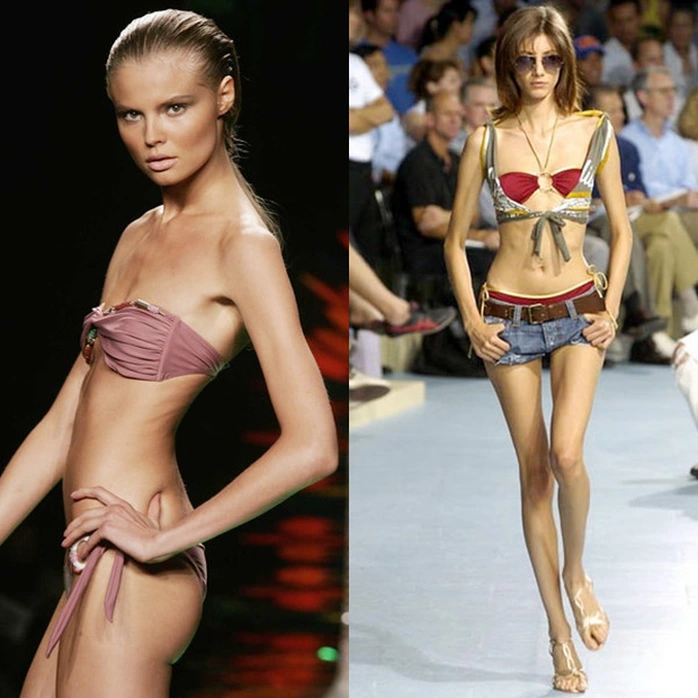
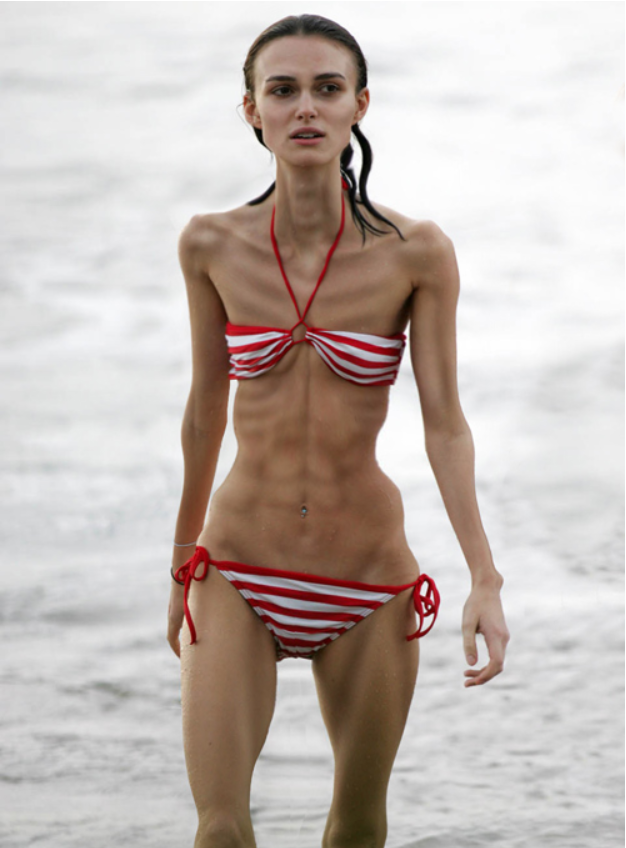
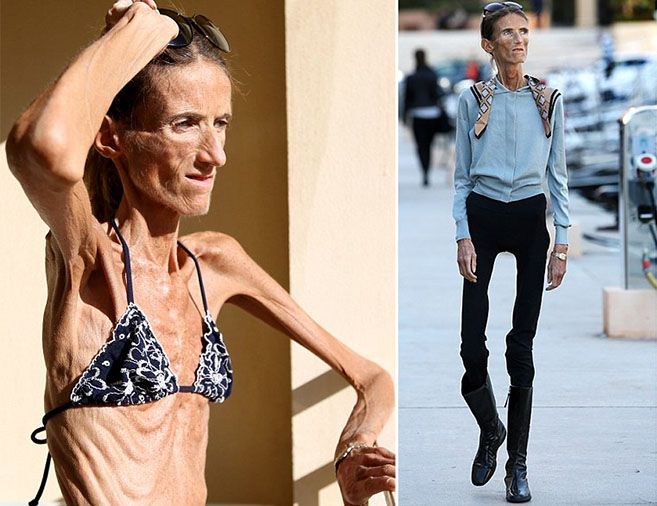
But time brings clarity. When I see extremely thin bodies today, especially in the public eye, I no longer see perfection. I see risk. I see exhaustion. I see a battle that’s rarely visible on the surface.
When Stories on Screen Feel Uncomfortably Familiar
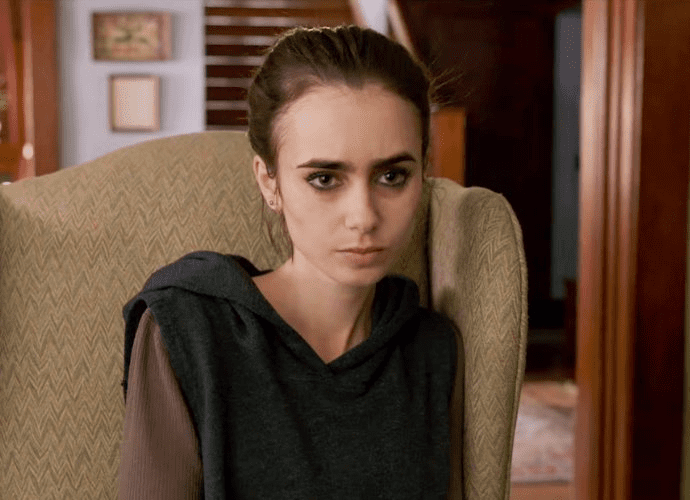
That’s exactly why the film To the Bone struck such a nerve with me. It doesn’t soften the reality of eating disorders. It shows the mess, the contradictions, and the emotional weight that comes with them. The story feels raw because it draws from lived experience, not theory.
Still, the film raises difficult questions. When an actor drastically changes their body to portray illness, it can unintentionally suggest that suffering is reversible at will. As if someone can dip into illness and step back out unharmed. Anyone who has lived through it knows that recovery isn’t that simple.
Why Eating Is Only Part of the Answer
One of the biggest misconceptions about eating disorders is the idea that food alone fixes everything. Eating matters, of course. But the illness doesn’t begin with food, and it doesn’t end there either. It grows out of fear, control, shame, and a desperate need to feel safe.
These disorders thrive in environments that reward self-denial and punish softness. They are reinforced by a culture that treats thinness as morality. And the cost is devastating. Lives are lost. Futures are altered. And healing, when it comes, is slow and deeply personal.
Prevention Starts With Changing the Conversation
If there’s one truth I’ve come to believe, it’s this. Prevention is the real cure. And prevention requires dismantling the idea that thinner is always better. It means teaching girls early that their worth doesn’t shrink or expand with their bodies.
One powerful moment in the film involved a character who wasn’t thin yet still struggled with disordered eating. That mattered. It shattered a common stereotype. Eating disorders don’t have a single look. Thinness and weight gain can both stem from the same emotional pain. Both deserve understanding and care.
That moment was uncomfortable, and honestly, it needed to be.
Motherhood Forced Me to Look Inward
Becoming a mother changed everything. I started questioning the example I had set. How could I guide my daughter toward a healthy relationship with food when I once idolized bones and restriction? That question haunted me.
The answer wasn’t guilt. It was growth. I began to realize that supporting her meant reshaping my own beliefs first. I had to stop seeing bodies as projects and start seeing them as homes.
And one truth became impossible to ignore.
Being underweight is not an achievement. It’s a warning sign.
Carrying extra weight is not a failure. It’s part of being human.
Accepting this didn’t happen overnight, but it changed how I speak to myself and how I show up for her.
Redefining Strength Beyond Appearance
Real strength doesn’t come from deprivation. It comes from nourishment. From flexibility. From allowing yourself to exist without punishment. I’ve learned that a healthy body isn’t defined by numbers or angles. It’s defined by how well it supports your life.
My journey toward self-acceptance has been messy and imperfect. Some days are easier than others. But each step away from obsession feels like reclaiming a piece of myself I once gave up.
Why This Story Still Matters
Stories like this matter because they disrupt silence. The film doesn’t glamorize suffering or pretend there’s a simple solution. It shows complexity. It shows consequence. And most importantly, it challenges the belief that extreme thinness equals beauty.
Painful thinness isn’t elegant. It’s draining. It’s dangerous. And it steals time, health, and connection.
This message isn’t only for those actively struggling. It’s for every woman who learned to measure her worth through control. Watching this story forced me to confront parts of my past I hadn’t examined in years. And through that discomfort, healing began.
Letting go of dangerous body ideals isn’t about rebellion. It’s about survival. It’s about choosing wholeness over fragility and compassion over control. Stories like this open the door to conversations we desperately need.
By challenging the standards we once chased, we make space for healthier minds, stronger bodies, and a future where worth isn’t measured by how small we can make ourselves. If this reflection helps even one woman step away from perfection and toward freedom, then it’s a story worth telling.